Inside Insights
Our Inside Insights provide a closer look at the political and geopolitical developments shaping the world around us. Drawing on the experience and expertise of our advisors, each report examines emerging issues, assesses what may happen next and considers the implications for business and decision-makers.
Published regularly, Inside Insights offer timely analysis and informed perspectives on the events and trends that matter, from changing political landscapes to international developments and the risks and opportunities they create.
Want to access the full reports? Get in touch with our team.
The Archive
A look inside our latest insights.
The Fight for Survival?
5 October 2026
The Conservative Party is rather like the TV show Dr Who. A dominant and popular political force which has regenerated over the decades to suit the times, from Edward Heath to Margaret Thatcher, from David Cameron to Boris Johnson. However, since 2024 when the party arguably had their worst general election in its history, it is now rather like the Doctor fighting to survive, despite regular changes of the leader.
Until 2024 the Conservative Party was the most successful political party in the democratic world. From the end of the First World War to today the party has been in office for 73 out of 112 years. It was not only the dominant party on the right of politics, it was the only party on the right of politics in the House of Commons. The first past the post electoral system helped them as they had no competitors on the right, whereas Labour for at least the last forty years was usually battling with Liberal Democrats, or its predecessors, on the progressive wing of politics.
The Art of Political War: Stagecraft and Statecraft
28 September 2026
Political war is fought on more than one stage. At two o'clock on Tuesday afternoon Andy Burnham walks onto the stage in Liverpool for his first leader's speech as Prime Minister, barely a week after addressing the United Nations in New York.
He is on the stump at home and abroad. New York was about what Britain wants to do in the world and how much room it has to do it. Liverpool is about persuading the country that Andy Burnham can bring "Hope Again". If it is to work as more than a slogan, it also has to deliver a verdict on how he looks and sounds like a Prime Minister.
Gear shift or gear change?
21 September 2026
The party conference season has begun. The Reform conference has gone, and the Liberal Democrat conference will be followed by the Greens, Labour, and the Conservatives. We can expect media coverage to reflect the key change in British politics: the move from a two-party system (with the occasional third-party surge) to a two-bloc party system. In a previous Inside Insight (2nd February 2026) we first talked about the split between the conservatives/right wing bloc and the progressive bloc. In England, this covers five parties (six, including Restore). In Scotland and Wales, the SNP and Plaid Cymru are both key, arguably leading, parts of the progressive bloc.

Over a Barrel?
14 September 2026
At the outset of this year, it was widely assumed that interest rates internationally would be falling as a consequence of the further squeezing of inflation out of the main global economies and with the objective of stimulating economic growth. A new crisis in energy supply was not anticipated. There were concerns about whether the boom in valuations for the small set of technology companies most central to the development of artificial intelligence was excessive and would require perhaps a significant correction, but on balance these were being contained.
A stock market slump triggered by a total reassessment of AI appeared to be highly improbable. The AI impact on economic and social life was, among many senior business leaders at least, viewed as mostly positive. It was seen as a potential catalyst for innovation in productivity, even if this might be linked with employment losses in some sectors. All in all, and not merely with the benefit of hindsight, the corporate mood at the outset of Q1 2026 was cautious optimism.
U.S. Mid-Term Elections
7 September 2026
Today is Labor Day in the United States and is traditionally the moment in election years when serious campaigning is triggered and the electorate becomes more engaged with the ballot. This will not only be valid in 2026 but, if anything, be an unusually intense exercise. The extraordinary hold that Donald Trump has held over domestic (and international) politics since his return to the White House in January 2025 will now face a serious challenge. The very atypical conditions of his victory in 2024 which have allowed him, thus far, to have a tenure more akin to a second first term in office than the normal form of second term (which tend to be an anti-climax) are about to be tested. Furthermore, once these elections are completed, the political attention in Washington will shift to who the next President will be after Mr Trump departs for Florida, and whether that person will be able to command a majority in either or both chambers of Congress.e corporate mood at the outset of Q1 2026 was cautious optimism.
El Nino, drought and Hormuz: the new threats to global food supply
1 September 2026
Ministers and officials managing national food policy have an unfortunate tendency to treat crises as if they have the good manners to arrive one at a time.
They don't. And the danger facing the global food system over the next 18 months is that several potentially very serious problems are set to arrive together.
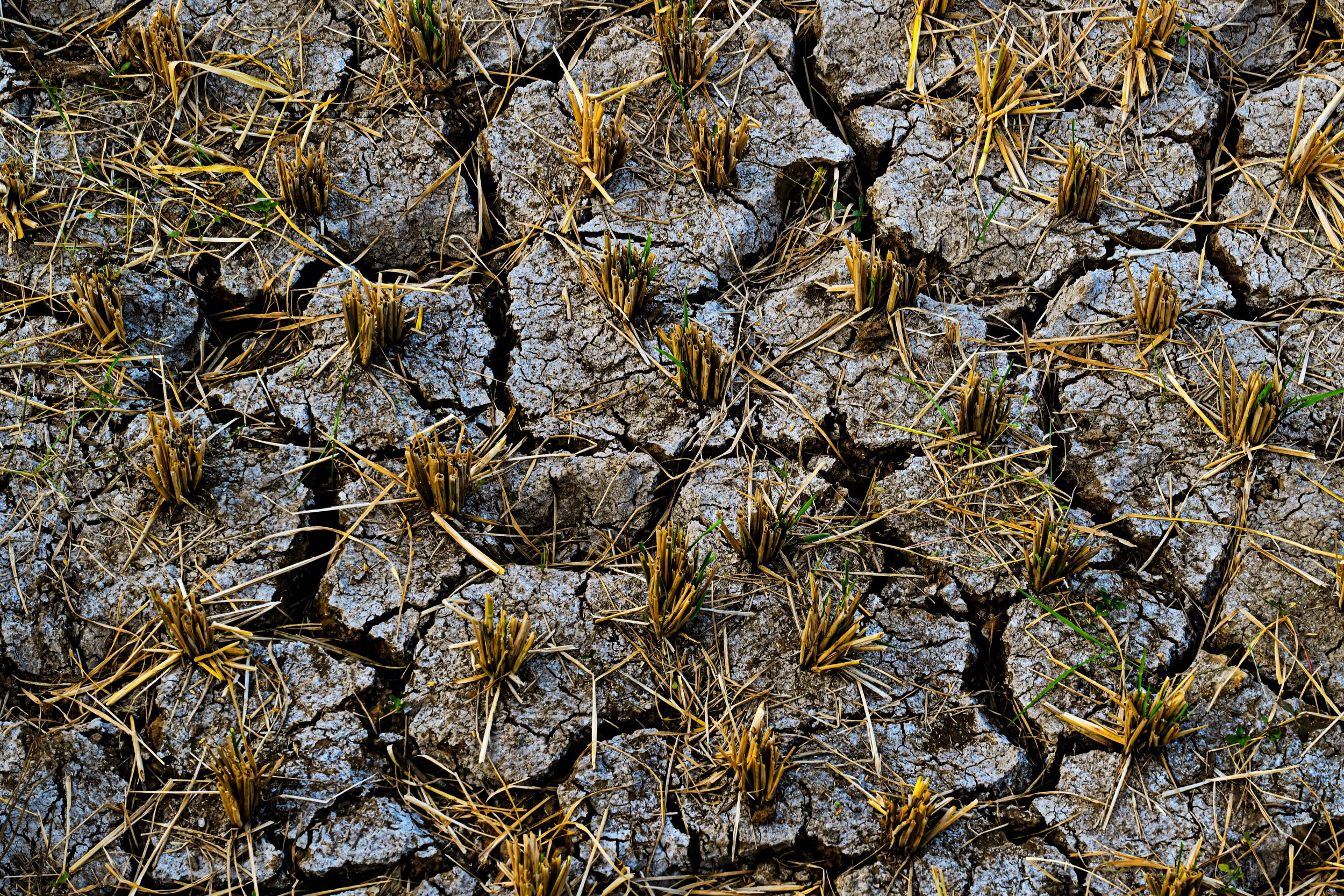
The most obvious is drought. The European drought of 2026 is not an isolated meteorological curiosity. It is part of a pattern which should be making governments and food businesses profoundly uncomfortable.
Pivotal Poland
24 August 2026
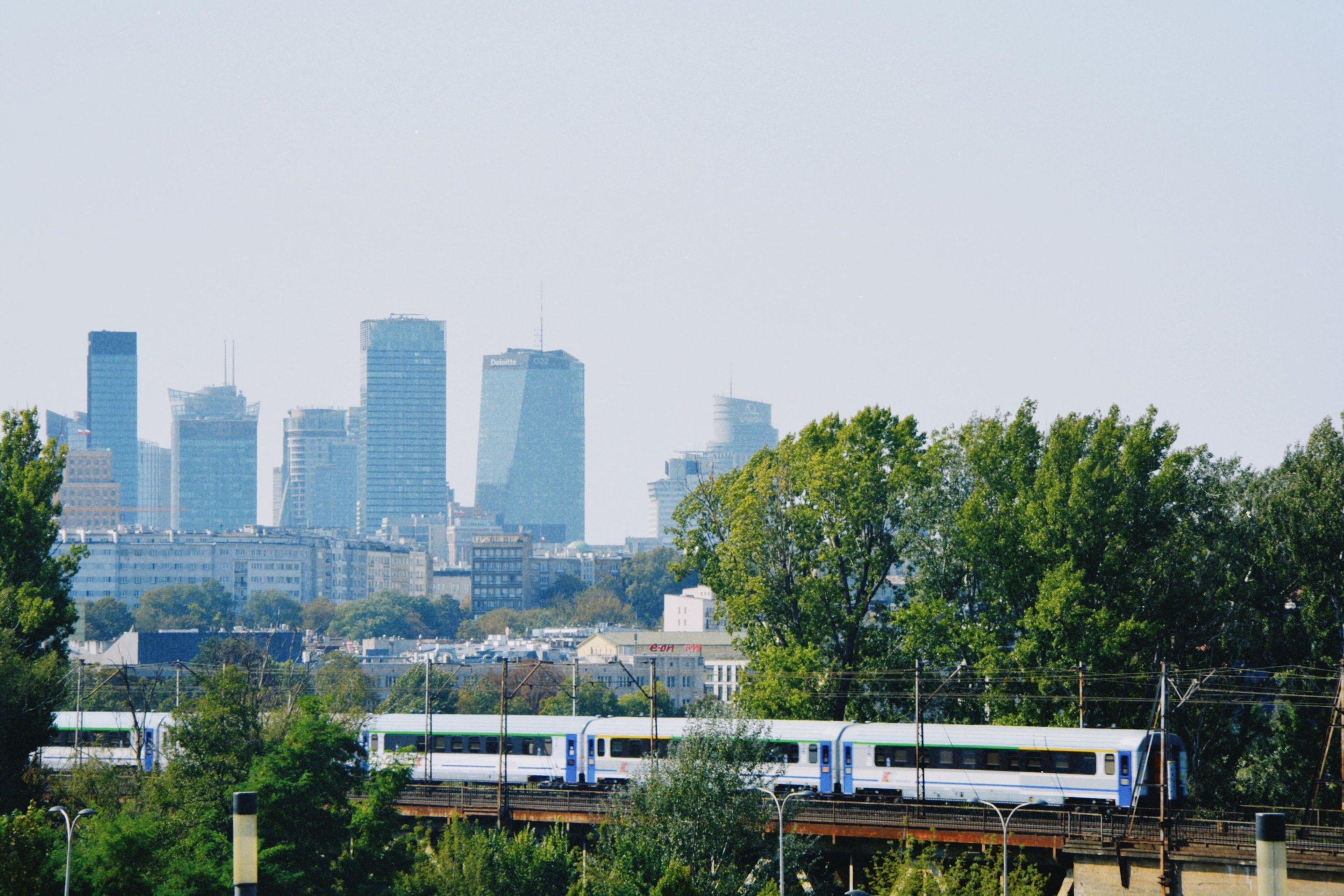
Few countries, if any, regretted the UK Brexit referendum result in June 2016 more than Poland. The two countries had strong ties of recent history (not least World War II), and certainly as seen from Warsaw were natural allies as sizeable nations which bordered either side of a western Europe dominated by France and Germany (and to a lesser extent Italy). The links since 2004 (when Poland entered the EU) had been hugely reinforced by economic and human elements. At its peak, there were a million Poles employed in the UK (usually sending money back home) and low-cost airlines were serving more than thirty Polish cities and towns as a consequence. On certain estimates, London had become the second largest centre of Poles after Warsaw. There were plenty of British businesses and sectors who did very well out of this arrangement.
Meloni's Moment
17 August 2026
On August 17th 2022, Giorgia Meloni was the leader of a political party, the Brothers of Italy, which held a mere 32 out of 630 seats in the Chamber of Deputies having secured a modest 4.4% of the national vote in the general election held four years previously. She was, though, about to become the beneficiary of an accidental but enormous political opportunity. What had been widely deemed to be an effective technocratic administration headed by Mario Draghi, a respected former supremo at the European Central Bank (dubbed "Super Mario"), collapsed due to factional sabotage by a key political party which had until that point had sustained him.
As a consequence, snap elections were called for late September 2022 in circumstances that were ideal for an outside force such as the Brothers of Italy to exploit. In a ballot with a record low turnout, Ms Meloni's colleagues won 26% of the vote (which was clearly first place) while her two coalition partners, the League and Forza Italia obtained 8.8% and 8.1%. A major change in the electoral system and a substantial reduction in the number of MPs (from 630 to 400 in the Chamber of Deputies and 315 to 200 in the Senate) meant that in terms of seats, the Brothers of Italy held 118, the League, 65, Forza Italia 45 and a much smaller sympathetic force called Us Moderates had 7. This was easily enough for a comfortable working majority in the legislature.
The Reign in Spain
10 August 2026
There have not been many signs of solidarity within the European Union this summer. Indeed, this month has seen a spectacular spat between Spain and Italy over the question of migration, with Pedro Sanchez, the Prime Minister in Madrid, and Georgia Meloni, his counterpart in Rome, rushing to impose restrictions on those travelling between their two countries. Unless tempers cool, the inconvenience imposed upon citizens seeking to cross borders will be considerable.
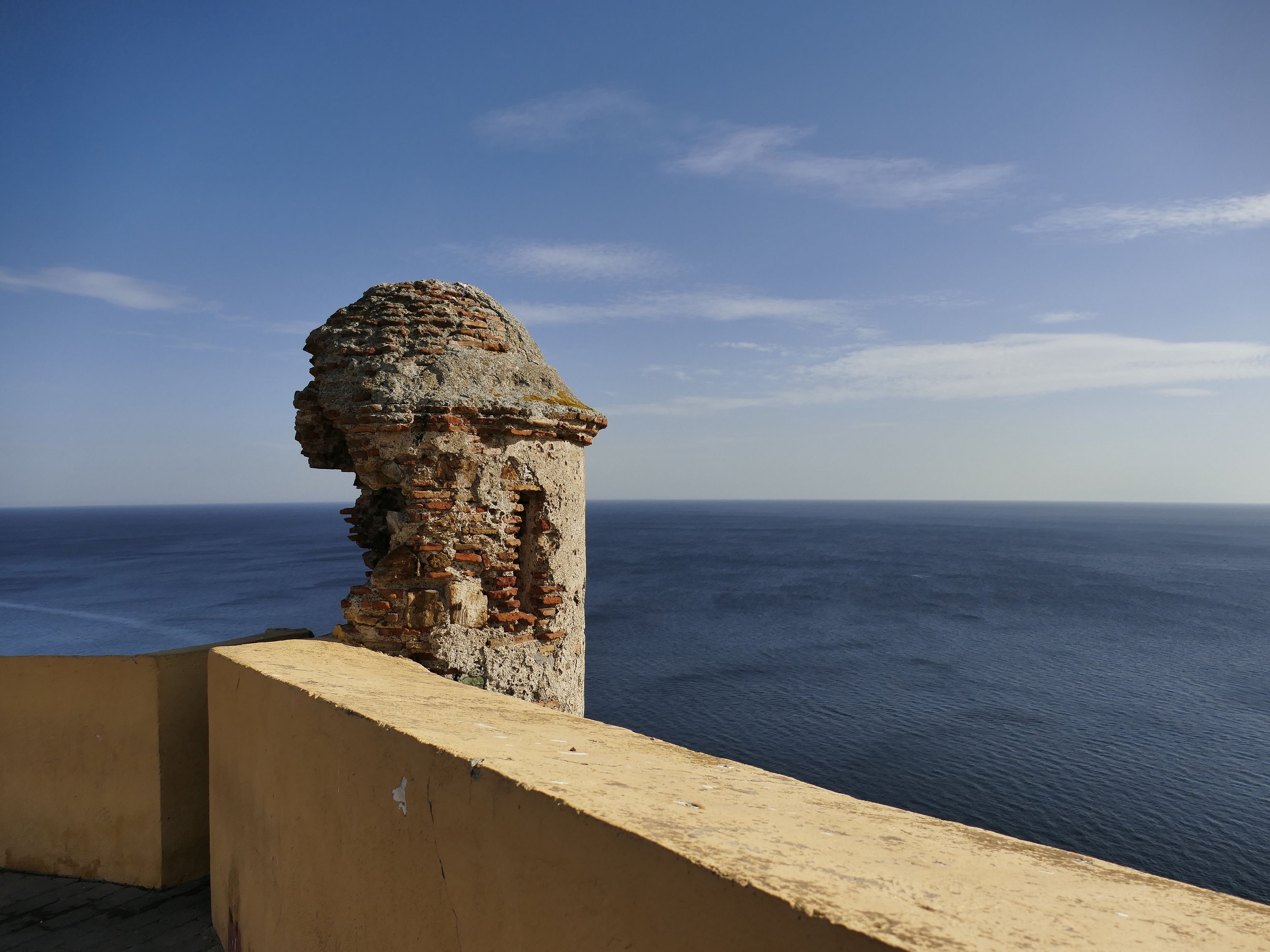
The catalyst for this confrontation has been the situation in Ceuta, a Spanish territory located in Morocco. In quite extraordinary scenes, the better part of 80,000 people crossed into this city by water (more than the entire existing population of the place), only for the vast bulk of them to move back again within 72 hours. More than a hundred of them, however, died in the exercise. The fate of more than a thousand unaccompanied minors is yet to be determined. Italy believes that this was not a one-off event and that Ceuta will now be a potential trouble spot for massive migration missions to Europe. Hence its desire to suspend temporarily the Schengen rulebook.
The German Question
3 August 2026
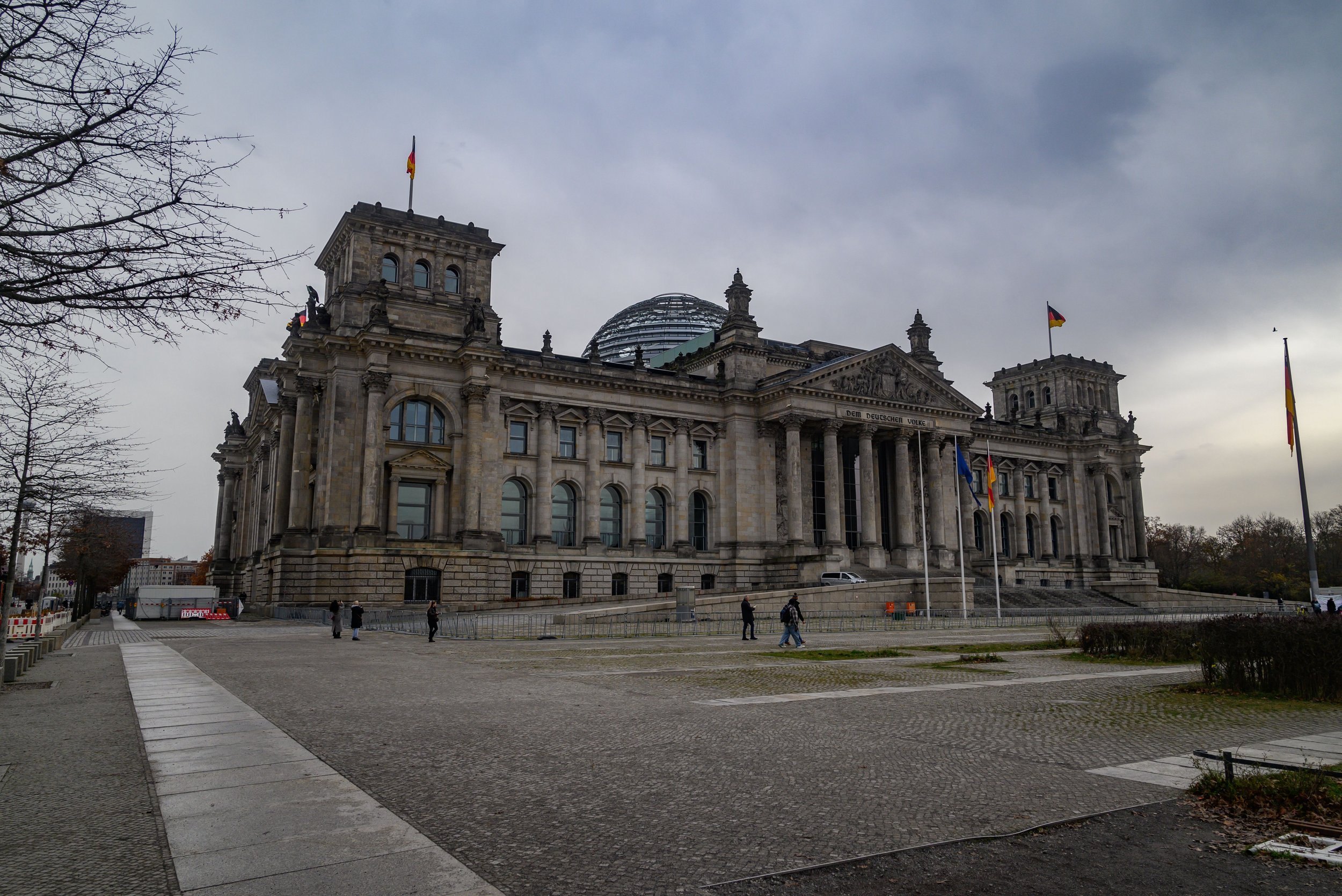
The devastating wildfires that have caused so much danger and destruction in France and Spain have not been duplicated on any scale in Germany. In political terms, however, this is proving to be a very hot summer indeed in Berlin and beyond it. Friedrich Merz, the CDU/CSU (Christian Democrat) Chancellor, who came to office less than eighteen months ago, is showing signs of what in a UK context might be described as "Starmer syndrome". Despite his seemingly positive opportunity to build support for his own agenda, this highly successful lawyer is accused of not really understanding the party that he leads, appears both more interested in and more adept at foreign policy than domestic matters and has astonishingly low voter approval ratings (just 15% appears to be the settled norm). The difference is that in Germany, unlike the UK, the mid-term involuntary removal of the Head of Government has little precedent and is hard to implement.
Trump Tariff Tactics
27 July 2026
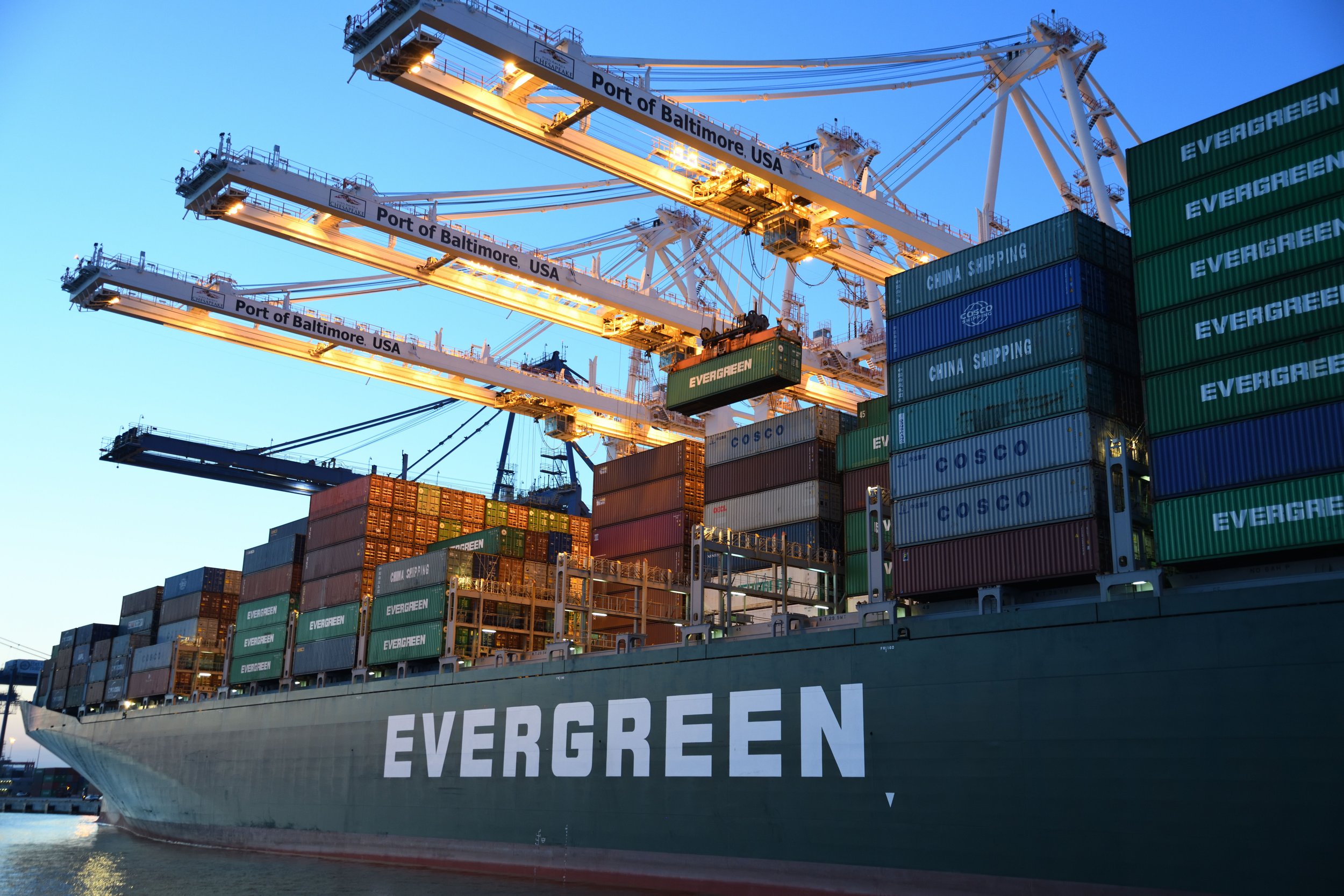
The World Cup may be over, but the American tariff penalty shoot-out has resumed in earnest. Except in this case, only one team is allowed to take the spot-kicks (the Trump Administration) and there is no goalkeeper to speak of to defend the net. It is not exactly the most even contest.
To some it might come as a surprise that tariffs have resurfaced as a controversy this summer. A number of observers believed that the White House had suffered a devastating defeat on tariffs on February 20th when, in Learning Resources, Inc. v. Trump, the US Supreme Court ruled on a 6-3 split that the International Economic Emergency Powers Act, 1977 (Section 1702) was not so sweeping as to allow the President to impose the sorts of sanctions on imported goods that he had set out in his "Liberation Day" initiative of April 2nd, 2025. He had acted unconstitutionally. That approach was sunk and, logically, substantial refunds were now owed to many companies.
Of Mice and Men: The Best Laid Plans of Governing. Why the First Hundred Days Matter
22 July 2026
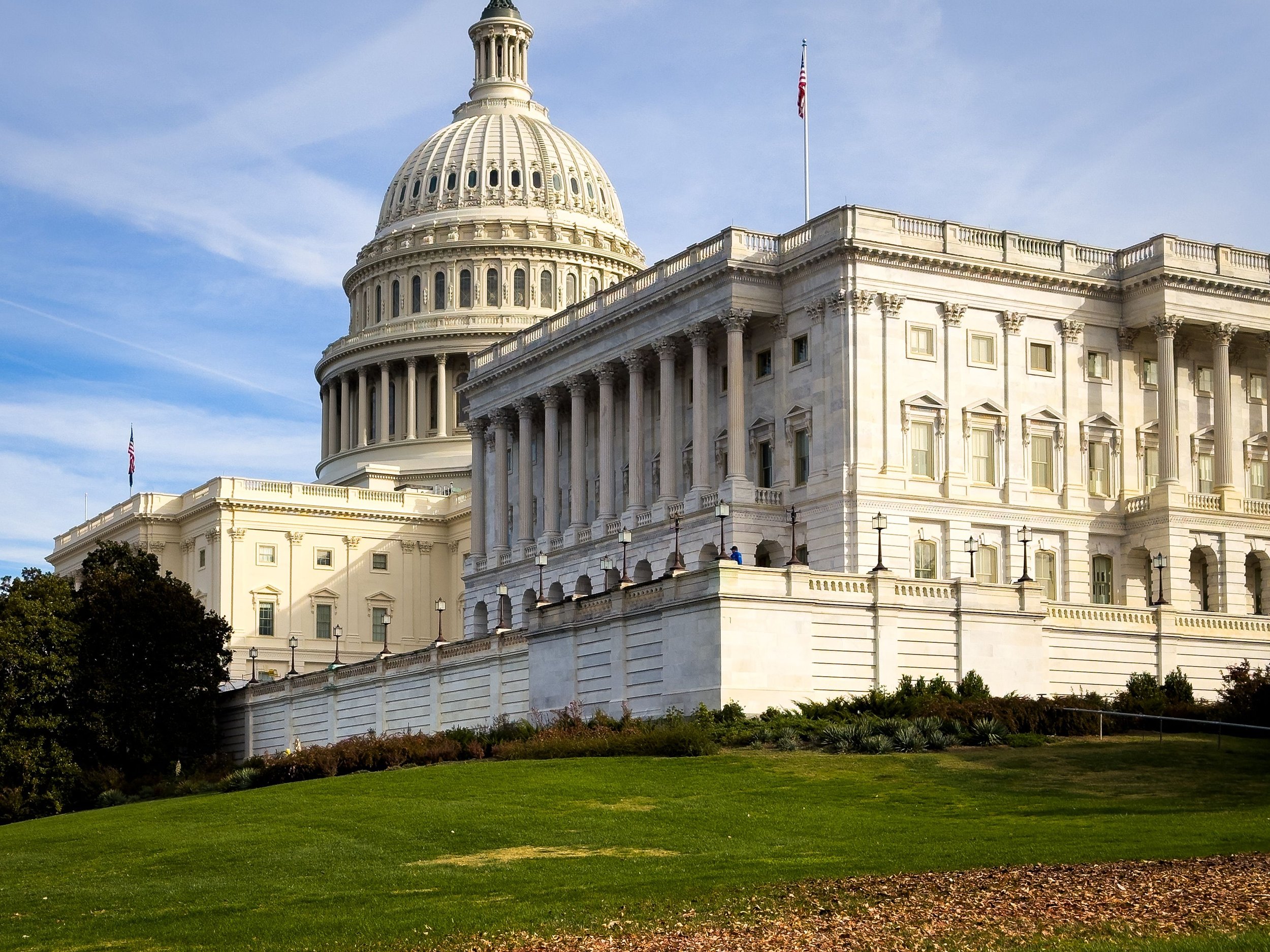
Ever since Franklin D. Roosevelt transformed his first hundred days into the defining measure of a new presidency, governments have understood that the opening weeks matter disproportionately. The benchmark was never really about the number of laws passed. It was about something far more enduring: defining the story of a new administration before events, opponents or the media do it for you.
Bill Clinton discovered the same lesson from the opposite direction. After overreaching on healthcare reform and suffering the Republican capture of Congress in 1994, his presidency recovered not through another sweeping legislative gamble but through a succession of visible, practical measures that voters could see and feel in their everyday lives. Individually they were modest. Collectively they told a much bigger story: that government was acting and, crucially, acting on the public's side.
Oil and Water
13 July 2026
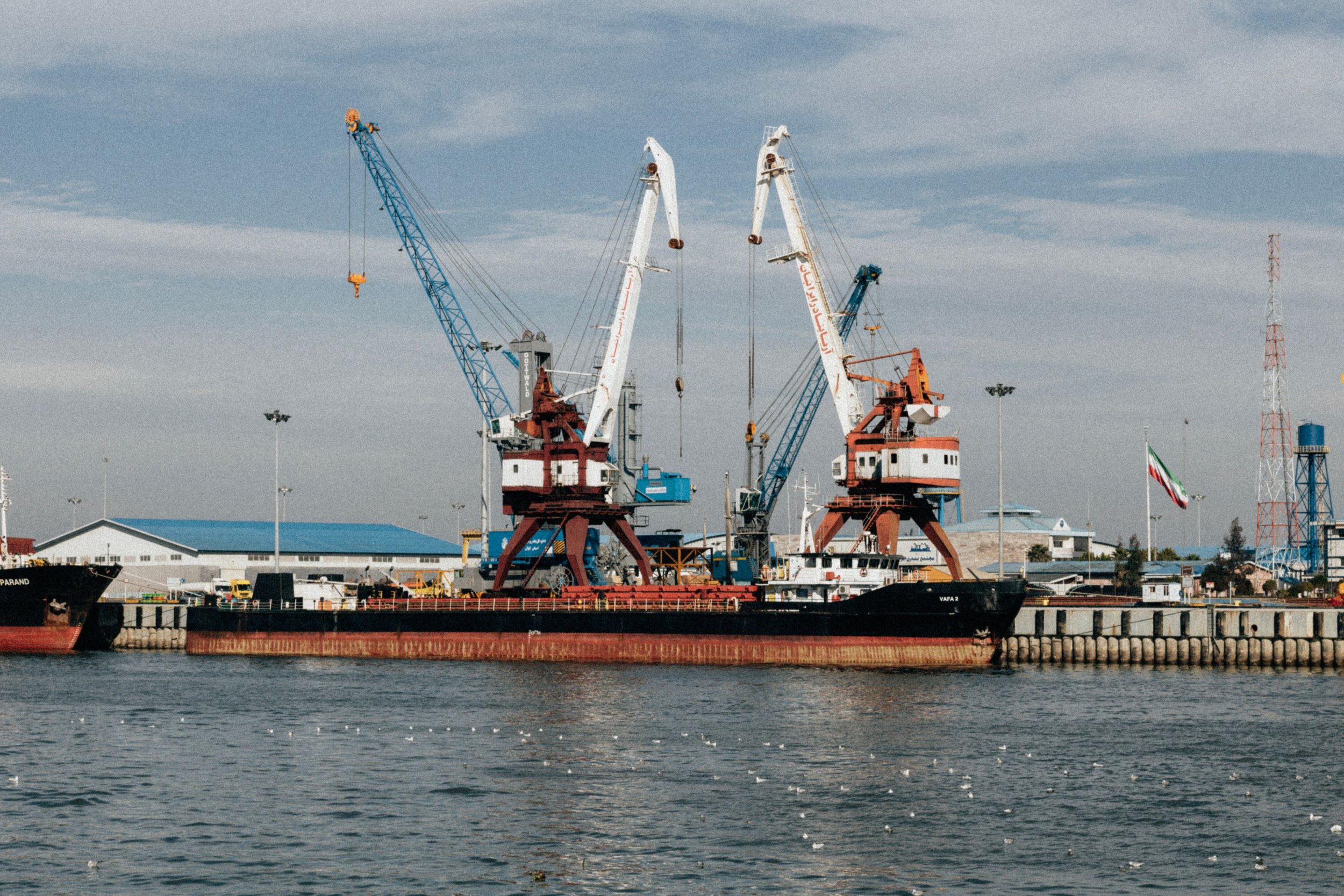
Even by recent standards, the interaction between the United States and Iran over the past week has been extraordinary. It was assumed that it would be a relatively calm and quiet few days as the Iranian side focused on the lengthy funeral arrangements for Ayatollah Ali Khamenei rather than deliberations with the Trump Administration via various intermediaries. Instead, strikes on three ships within the southern Strait of Hormuz on Tuesday were identified with Iran and led to retaliation on a sizeable scale by Washington and a statement from Donald Trump at the NATO summit in Ankara that the ceasefire appeared to be "over", that Iran's leadership were "scum" and that there appeared to be "no point" to continued negotiations. Within a few days, however, the dialogue (of a sort) seemed to be resumed, but with the US insisting that Tehran must state publicly that the Strait of Hormuz was "open" and promise not to fire on commercial shipping on any further occasion if continued talks were to have merit. Iran declined to offer up such words. Yet, Oman hosted a meeting on Saturday, and the US bombed Iranian sites over the weekend.

La France en Revolte?
6 July 2026
The term "conventional wisdom" has been around since the 1830s. It did not, though, achieve a widespread status until employed by the economist John Kenneth Galbraith in his
The Affluent Society (1958). Much as Michael Young's The Rise of Meritocracy, published in the same year, was certainly not a celebration of that concept, so Galbraith was hardly a cheerleader for the notion of conventional wisdom. He saw it as, at best, a form of comfort blanket and, at worst, a barrier to different or new ideas which would be excluded from what should be serious analysis.
Beyond Britain: a Decade of Disruption
29 June 2026
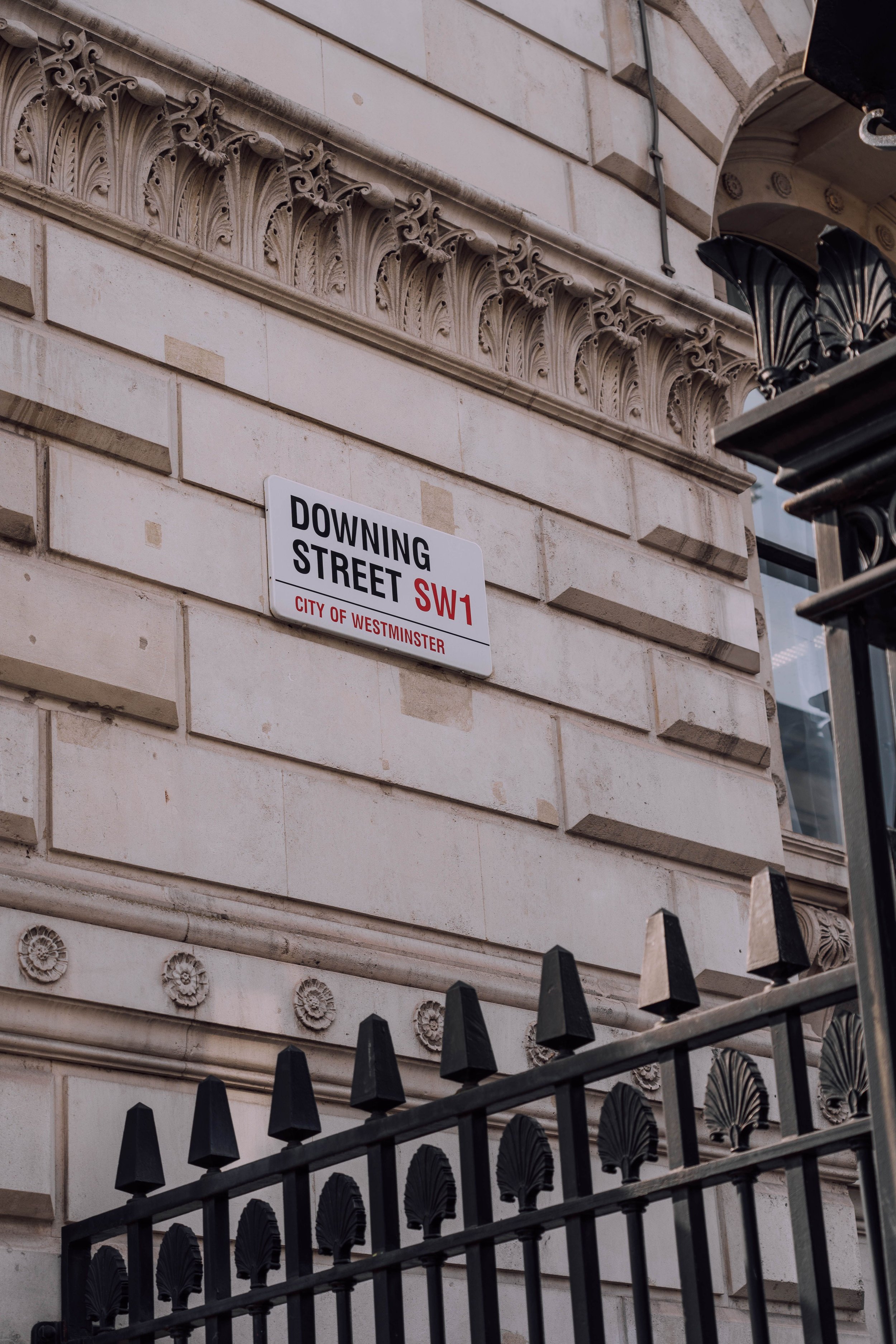
The United Kingdom now finds itself in a political waiting room and hardly for the first time. It is about to have its seventh Prime Minister in a shade over ten years. It will almost certainly soon have its ninth Chancellor of the Exchequer in the same period. Depending on the extent of the Cabinet reshuffle that Andy Burnham eventually conducts, it could well also have its eleventh Secretary of State for Business (the exact title has varied in its format over the past decade). Not many major companies could survive if they had a record of 7 CEOs, 9 CFOs and 11 CMOs in a ten-year passage of time. As a result, there is a debate as to whether the UK is "ungovernable".